
Exploring the Significance of Primary Data and Secondary Data in Research
The Importance of Primary Data and Secondary Data in Research
Research is a crucial aspect of gaining knowledge and understanding in various fields. When conducting research, two types of data play a significant role: primary data and secondary data.
Primary Data
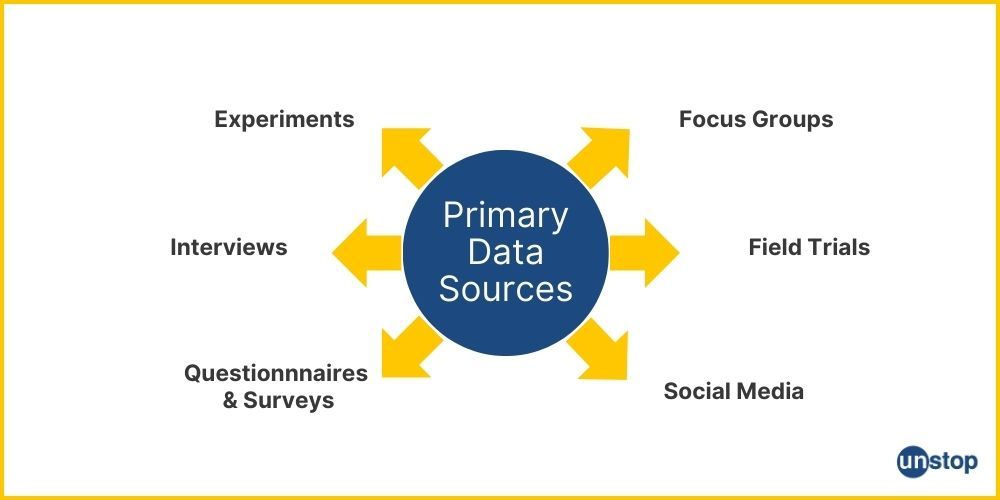
Primary data refers to information that is collected firsthand by the researcher specifically for the research project at hand. This type of data is original and unique to the study, as it is gathered through methods such as surveys, interviews, observations, experiments, or direct measurements. Primary data allows researchers to tailor their data collection methods to address specific research questions and objectives.
One of the key advantages of primary data is its reliability and relevance to the research topic. Researchers have control over how the data is collected, ensuring its accuracy and validity. Additionally, primary data can provide insights that are not available from secondary sources, offering a deeper understanding of the research subject.
Secondary Data
Secondary data, on the other hand, refers to information that has been previously collected by someone else for a different purpose. This type of data can include published research papers, government reports, databases, books, or any other sources of information that are available for analysis.
Secondary data offers several advantages in research. It is often readily accessible and cost-effective compared to collecting primary data. Researchers can use secondary sources to supplement their own findings, validate results, or conduct comparative analyses across different studies or time periods.
Conclusion
In conclusion, both primary data and secondary data play essential roles in research. While primary data offers unique insights tailored to specific research needs, secondary data provides valuable context and background information that can enhance the overall quality of a study. By utilising both types of data effectively, researchers can conduct thorough and comprehensive investigations that contribute significantly to knowledge advancement in their respective fields.
Advantages of Primary and Secondary Data: Reliability, Unique Insights, Relevance, Flexibility, Quality Control, and Time Efficiency
- 2. High reliability
- 3. Unique insights
- 4. Direct relevance
- 5. Flexibility
- 6. Control over quality
- 2. Time-saving
Challenges of Primary and Secondary Data: Time, Cost, Quality, and Relevance
2. High reliability
One significant advantage of both primary data and secondary data is their high reliability. In the case of primary data, researchers have direct control over the data collection process, allowing them to implement rigorous methods that ensure accuracy and validity. This hands-on approach enables researchers to tailor their data collection techniques to meet the specific requirements of their study, resulting in reliable and trustworthy information. Similarly, with secondary data, although it is collected by others, researchers can still assess the credibility and quality of the sources to ensure the reliability of the information used in their research analysis. This control over the data collection process in both types of data enhances the overall integrity and dependability of research findings.
3. Unique insights
One significant advantage of primary data is its ability to offer unique insights and a deeper understanding of the research subject. By collecting data firsthand through methods such as surveys, interviews, or experiments, researchers can gain original perspectives that are specific to their study. This direct engagement with the research topic allows for a more nuanced exploration of key issues and can uncover insights that may not be available from secondary sources alone. Ultimately, the originality and depth of primary data contribute to a richer and more comprehensive analysis of the subject matter.
4. Direct relevance
Data collected firsthand, known as primary data, holds the pro of direct relevance to the specific study being conducted. This direct relevance enhances the significance of the research by ensuring that the information gathered aligns closely with the research objectives and questions. Primary data allows researchers to tailor their data collection methods to focus on key aspects of the study, providing a deeper understanding of the subject matter. By directly collecting data that is pertinent to the research topic, primary data contributes to the accuracy and validity of the study’s findings, ultimately strengthening its impact and relevance in the academic or professional domain.
5. Flexibility
A key advantage of primary data is its flexibility, allowing researchers to adapt data collection methods as needed throughout the research process. This flexibility enables researchers to modify their approach based on emerging insights, unexpected findings, or changing research requirements. By having the ability to adjust data collection methods in real-time, researchers can ensure that they gather the most relevant and accurate information to address their research questions effectively.
6. Control over quality
By collecting primary data, researchers can ensure high-quality data that meets their standards. This level of control over the data collection process allows researchers to implement rigorous methodologies, maintain accuracy, and address any potential biases effectively. By directly gathering information through methods such as surveys, interviews, or experiments, researchers can uphold the integrity and reliability of the data, ultimately enhancing the robustness and credibility of their research findings.
2. Time-saving
One significant advantage of secondary data is its time-saving aspect. Researchers can access existing secondary sources without the need to invest time in gathering new data. This allows researchers to quickly access a wealth of information that has already been collected and analysed by others, saving valuable time that can be redirected towards data analysis, interpretation, and drawing meaningful conclusions from the research findings. By utilising secondary data effectively, researchers can expedite the research process and focus on generating insights and knowledge from the available information.
Time-consuming
One significant drawback of relying on primary data in research is the time-consuming nature of the data collection process. Gathering primary data involves investing substantial time, effort, and resources to collect information directly from the sources. Researchers must design appropriate methodologies, conduct surveys or interviews, and ensure data accuracy and reliability, all of which can be a labour-intensive and prolonged endeavour. This time commitment may lead to delays in research timelines and potentially impact the overall efficiency of the study.
Costly
One significant drawback of relying on primary data in research is the cost involved in collecting it. Conducting surveys, interviews, or experiments to gather original data can be a costly endeavour, as expenses may accrue from participant recruitment, acquiring necessary equipment, and conducting data analysis. These financial implications can pose a challenge for researchers with limited budgets or resources, potentially restricting the scope or scale of their studies. In contrast, secondary data sources can often be accessed at a lower cost or even for free, making them a more budget-friendly option for researchers looking to conduct comprehensive analyses without incurring substantial expenses.
Quality concerns
Quality concerns are a significant con associated with both primary data and secondary data in research. When it comes to secondary data sources, one major issue is the variability in reliability and accuracy. Since secondary data is collected by others for different purposes, there is a risk of inconsistencies or errors that can impact the validity of research findings. Researchers must exercise caution when relying on secondary data to ensure that the information used is credible and suitable for their study objectives.
Outdated information
One significant drawback of relying on secondary data sources is the presence of outdated information. Due to the nature of secondary data being previously collected for other purposes, there is a risk that the data may no longer be relevant or reflective of current trends, conditions, or circumstances. This can pose a challenge for researchers seeking up-to-date and accurate information to inform their studies, as using outdated data may lead to skewed results or inaccurate conclusions. Therefore, it is crucial for researchers to critically evaluate the timeliness and reliability of secondary data sources before incorporating them into their research projects.