
Exploring the Depth of Case Study Methodology: A Comprehensive Analysis
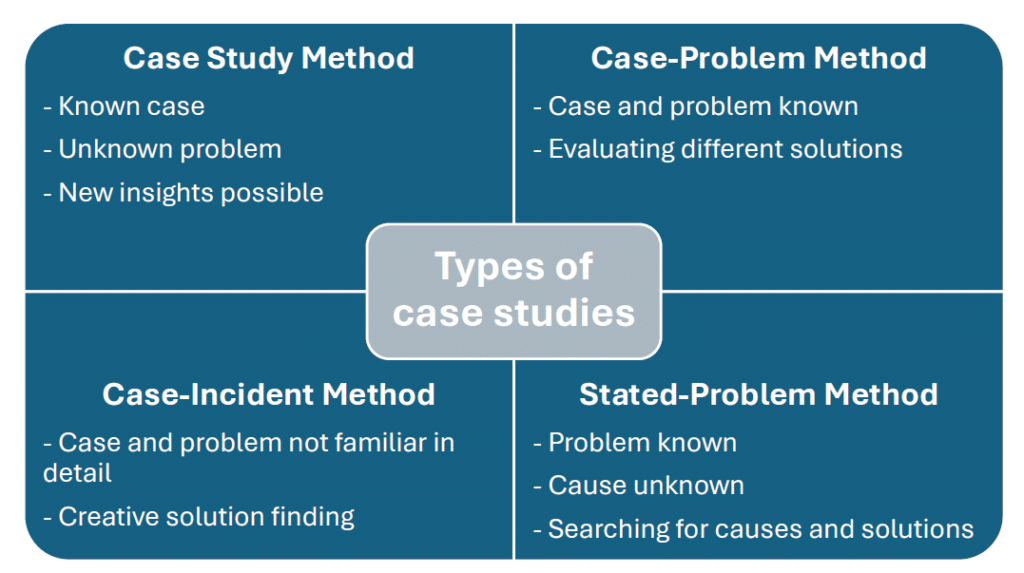
Understanding Case Study Methodology
Case study methodology is a research approach that involves in-depth exploration and analysis of a specific case or cases. It is commonly used in social sciences, business, education, and other fields to investigate complex phenomena within their real-life context.
Key Characteristics of Case Study Methodology
- Focus on Specific Case: Case study methodology focuses on a particular case or a small number of cases to provide detailed insights and understanding.
- Contextual Analysis: It emphasises understanding the context in which the case occurs, including its background, environment, and unique characteristics.
- Multifaceted Data Collection: Researchers gather data through various methods such as interviews, observations, documents, and artefacts to gain a comprehensive view of the case.
- In-depth Analysis: Case study methodology involves thorough examination and interpretation of data to uncover patterns, relationships, and underlying meanings.
Benefits of Using Case Study Methodology
There are several advantages to using case study methodology in research:
- Rich Data: It provides detailed and rich data that allows for a deep understanding of the case under investigation.
- Real-world Application: Findings from case studies can be applied to real-world situations and inform practice or policy decisions.
- Holistic Perspective: Researchers can explore complex issues from multiple angles and perspectives within the context of the case.
- Limited Generalisability: Findings from a single case study may not be generalisable to other contexts or populations.
- Data Interpretation Bias: Researchers’ subjectivity and biases may influence data interpretation and analysis in case studies.
- What is case study methodology?
- How is case study methodology different from other research methods?
- What are the key characteristics of a well-designed case study?
- How do researchers select cases for a case study?
- What are the limitations of using case study methodology?
Challenges of Using Case Study Methodology
While case study methodology offers valuable insights, there are also challenges associated with its use:
In Conclusion
In conclusion, case study methodology is a powerful research approach that allows for in-depth exploration of specific cases within their real-life context. By carefully designing and conducting case studies, researchers can uncover valuable insights that contribute to knowledge advancement and practical applications across various disciplines.
Understanding Case Study Methodology: Key Questions and Insights
What is case study methodology?
Case study methodology is a research approach that involves in-depth investigation and analysis of a specific case or cases within their real-life context. Researchers use this methodology to explore complex phenomena, behaviours, or situations by examining them in detail and considering various perspectives. By focusing on a particular case or a small number of cases, case study methodology aims to provide rich and comprehensive insights that contribute to a deeper understanding of the subject under investigation. This approach often involves collecting data through multiple sources such as interviews, observations, documents, and artefacts to uncover patterns, relationships, and underlying meanings within the case.
How is case study methodology different from other research methods?
Case study methodology stands out from other research methods due to its focus on in-depth exploration of a specific case or cases within their real-life context. Unlike quantitative research methods that rely on statistical analysis and generalisation, case studies delve into the complexities of individual cases to provide rich and detailed insights. This approach allows researchers to examine phenomena holistically, considering multiple perspectives and factors that may influence the case under investigation. Case study methodology emphasises contextual analysis, multifaceted data collection methods, and in-depth interpretation, making it a valuable tool for understanding complex issues in depth rather than breadth.
What are the key characteristics of a well-designed case study?
When considering the key characteristics of a well-designed case study, several factors come into play. Firstly, a well-designed case study should have a clear and specific research question or objective that guides the investigation. Additionally, it should involve selecting an appropriate case or cases that are relevant to the research question and provide rich insights. A well-designed case study also includes a detailed and systematic data collection process using multiple sources to ensure comprehensive coverage of the case. Furthermore, thorough data analysis and interpretation are essential in identifying patterns, relationships, and implications within the context of the case study. Overall, a well-designed case study is characterised by its clarity of purpose, relevance of the case selection, comprehensive data collection, and rigorous analysis to generate valuable insights and contribute to knowledge in the field.
How do researchers select cases for a case study?
In the realm of case study methodology, the process of selecting cases is a critical step that shapes the depth and relevance of the research findings. Researchers typically employ various strategies to choose cases that align with the research objectives and offer valuable insights into the phenomenon under investigation. Common approaches include purposive sampling, where cases are selected based on specific criteria related to the research questions, theoretical sampling, which involves selecting cases that can help refine or develop theoretical concepts, and random sampling for statistical generalisation. Ultimately, researchers carefully consider factors such as uniqueness, representativeness, information richness, and feasibility when deciding on which cases to study in order to ensure the robustness and validity of their case study analysis.
What are the limitations of using case study methodology?
When considering the limitations of using case study methodology, it is important to acknowledge that findings from a single case study may not be easily generalised to broader contexts or populations. Due to the focus on a specific case or a small number of cases, there is a risk of limited external validity. Additionally, researchers’ subjectivity and biases can potentially influence data interpretation and analysis in case studies, leading to potential limitations in the objectivity of the findings. Despite these challenges, careful consideration of these limitations and appropriate methodological approaches can help mitigate potential biases and enhance the credibility and reliability of case study research.