
Mastering the Art of Effective Curriculum Design
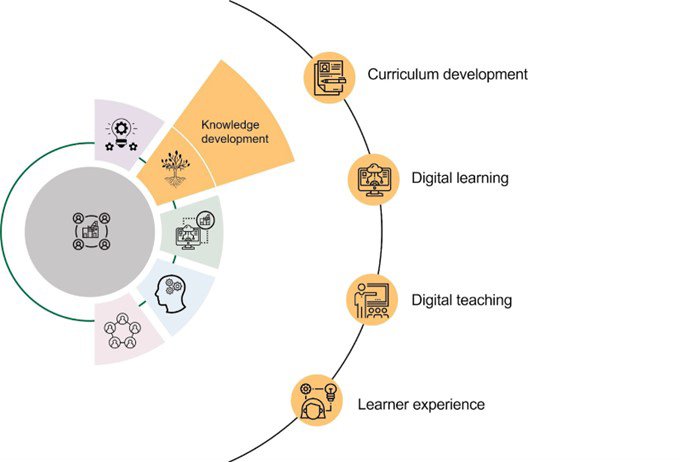
The Art and Science of Curriculum Design
Curriculum design is both an art and a science that plays a crucial role in shaping the educational experiences of students. A well-designed curriculum serves as a roadmap for learning, guiding both teachers and learners towards specific educational goals and outcomes.
At its core, curriculum design involves the thoughtful planning and organisation of learning activities, resources, assessments, and instructional strategies to achieve desired learning objectives. It requires a deep understanding of educational principles, pedagogical approaches, and the needs of learners.
Key Elements of Curriculum Design
Effective curriculum design typically includes the following key elements:
- Learning Objectives: Clear and measurable statements that define what students should know or be able to do by the end of the course or programme.
- Content: The subject matter or topics that will be covered during the course, organised in a logical sequence to facilitate learning progression.
- Instructional Strategies: Methods and techniques used to deliver content and engage students in meaningful learning experiences.
- Assessment: Tools and methods for evaluating student learning and understanding, providing feedback, and measuring progress towards learning goals.
- Evaluation: Ongoing review and reflection on the effectiveness of the curriculum in achieving its intended outcomes, leading to revisions and improvements as needed.
The Role of Educators in Curriculum Design
Educators play a central role in curriculum design by drawing on their expertise in their subject area, pedagogy, assessment practices, and understanding of student needs. They collaborate with curriculum developers, instructional designers, administrators, and other stakeholders to create engaging and effective learning experiences for students.
By incorporating research-based best practices, innovative teaching methods, technology integration, and feedback from students into the curriculum design process, educators can enhance student engagement, motivation, retention of knowledge, and overall success in learning.
In Conclusion
Curriculum design is a dynamic process that requires creativity, flexibility, collaboration, and continuous improvement. By designing curricula that are relevant, engaging, inclusive, and aligned with educational standards and goals,
educators can inspire lifelong learning and empower students to reach their full potential.
Essential Tips for Effective Curriculum Design: Enhancing Learning and Engagement
- Clearly define the learning objectives for each module or course.
- Align the curriculum with industry standards and best practices.
- Include a variety of teaching methods to cater to different learning styles.
- Ensure that assessments are relevant and measure the intended learning outcomes.
- Regularly review and update the curriculum to keep it current and effective.
- Provide opportunities for student feedback to improve the curriculum continuously.
- Consider incorporating real-world applications and practical experiences into the curriculum.
- Promote interdisciplinary connections to enhance students’ understanding of complex topics.
Clearly define the learning objectives for each module or course.
In curriculum design, it is essential to clearly define the learning objectives for each module or course. These objectives serve as a roadmap that guides both educators and students towards specific learning outcomes. By clearly articulating what students are expected to know or be able to do by the end of a module or course, educators can effectively structure their teaching materials, assessments, and instructional strategies to support the achievement of these goals. Clear learning objectives also help students understand what is expected of them and provide a sense of direction and purpose in their learning journey.
Align the curriculum with industry standards and best practices.
To enhance the relevance and effectiveness of a curriculum, it is essential to align it with industry standards and best practices. By incorporating current industry trends, requirements, and expectations into the curriculum design, educators can better prepare students for real-world challenges and opportunities. Aligning the curriculum with industry standards ensures that students acquire the knowledge, skills, and competencies that are in demand in the job market, making them more competitive and employable upon graduation. Moreover, integrating best practices from the industry into the curriculum helps students develop a deep understanding of professional norms, ethics, and expectations, setting them up for success in their future careers.
Include a variety of teaching methods to cater to different learning styles.
In the realm of curriculum design, it is essential to incorporate a diverse range of teaching methods to accommodate various learning styles among students. By integrating a mix of visual, auditory, kinesthetic, and interactive approaches into the curriculum, educators can create inclusive and engaging learning experiences that resonate with different learners. This tailored approach not only enhances understanding and retention but also fosters a supportive and dynamic learning environment where all students have the opportunity to thrive and reach their full potential.
Ensure that assessments are relevant and measure the intended learning outcomes.
In curriculum design, it is essential to ensure that assessments are relevant and effectively measure the intended learning outcomes. Assessments play a crucial role in evaluating students’ understanding and mastery of the content covered in the curriculum. By aligning assessments with the learning objectives, educators can accurately gauge students’ progress and identify areas where additional support may be needed. Well-designed assessments not only provide valuable feedback to students but also inform instructional decisions, helping to improve teaching practices and enhance the overall learning experience.
Regularly review and update the curriculum to keep it current and effective.
Regularly reviewing and updating the curriculum is essential to ensure its relevance and effectiveness in meeting the evolving needs of students and aligning with educational standards. By conducting periodic reviews, educators can identify areas for improvement, incorporate new research and best practices, address emerging trends, and tailor the curriculum to better engage students. Updating the curriculum also allows for the integration of new technologies, diverse perspectives, and real-world applications, enhancing the learning experience and preparing students for success in an ever-changing world. Continuous evaluation and refinement of the curriculum help maintain its quality and ensure that it remains a dynamic tool for facilitating meaningful learning experiences.
Provide opportunities for student feedback to improve the curriculum continuously.
In the realm of curriculum design, it is essential to provide opportunities for student feedback as a means to enhance and refine the educational experience continually. By actively seeking input from students on their learning journey, educators can gain valuable insights into what aspects of the curriculum are effective, engaging, and relevant to their needs. This feedback loop not only empowers students by involving them in the learning process but also enables educators to make informed adjustments that align the curriculum more closely with student expectations and learning outcomes. Ultimately, integrating student feedback into curriculum design fosters a collaborative and student-centred approach that leads to continuous improvement and a more enriching educational environment for all involved.
Consider incorporating real-world applications and practical experiences into the curriculum.
In the realm of curriculum design, a valuable tip to enhance learning outcomes is to consider integrating real-world applications and practical experiences into the curriculum. By incorporating hands-on activities, case studies, simulations, and field trips that connect classroom learning to real-life situations, students can gain a deeper understanding of concepts and develop essential skills that are applicable beyond academic settings. This approach not only makes learning more engaging and relevant but also prepares students for success in their future careers by bridging the gap between theory and practice.
Promote interdisciplinary connections to enhance students’ understanding of complex topics.
Promoting interdisciplinary connections in curriculum design is a powerful strategy to enhance students’ understanding of complex topics. By integrating multiple disciplines and perspectives into the learning experience, students are able to see the interconnectedness of various subjects and gain a more holistic view of the topic at hand. This approach not only fosters critical thinking and problem-solving skills but also encourages creativity and innovation as students learn to apply knowledge from different fields to real-world challenges. Emphasising interdisciplinary connections in curriculum design can inspire curiosity, collaboration, and a deeper appreciation for the complexities of the world around us.