
Understanding the Role of a Data Repository in Research and Discovery
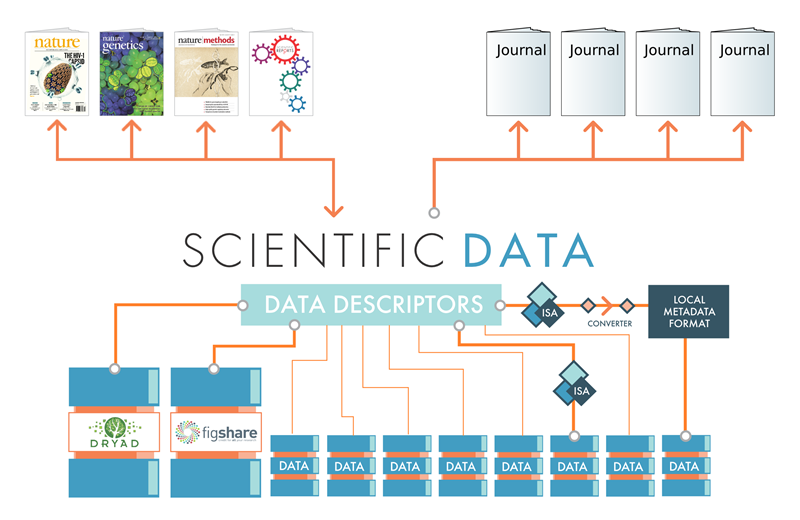
Data Repositories: Making Research Data Findable, Accessible and Reusable
Research produces more than published papers. It can also generate datasets, survey responses, images, code, recordings, reports and other valuable materials. A data repository provides a place to store and describe these materials so they can be preserved and, where appropriate, shared with others.
What is a data repository?
A data repository is a digital service for depositing, managing and providing access to data. Repositories may serve a particular institution, subject area or community, or they may accept research outputs from a wide range of fields. Some are open to the public, while others restrict access to protect privacy, confidentiality or sensitive information.
Repositories often assign a persistent identifier, such as a Digital Object Identifier (DOI), to each deposit. This makes it easier to cite and locate the data over time. A record may also include descriptive information, known as metadata, such as who created the data, when it was collected, what methods were used and what terms apply to its use.
Why use a repository?
- Preservation: A repository can help keep data available beyond the lifespan of a project, individual computer or website.
- Discoverability: Clear descriptions and searchable records help other people find relevant data.
- Reproducibility: Sharing data alongside research can help others understand, verify or build on published findings.
- Recognition: Citable records make it possible to acknowledge the contribution of data creators.
- Responsible access: Repositories can support open sharing or managed access, depending on the nature of the material.
Choosing a suitable repository
The right repository depends on the type of data, the needs of the project and any rules set by a funder, institution or publisher. Before depositing material, consider whether a repository:
- supports the relevant file formats and data types;
- has a clear preservation and access policy;
- provides persistent identifiers and allows data to be cited;
- offers appropriate controls for confidential or sensitive information;
- uses recognised standards for metadata and licensing; and
- is likely to remain available for the period the data needs to be retained.
A specialist repository may be preferable when a research community has established standards or tools for describing and using particular kinds of data. A general-purpose repository can be a practical option when no suitable subject-specific service is available.
Preparing data for deposit
Good preparation makes a dataset easier to understand and reuse. Organise files consistently, use clear file names and include a readme file explaining what the data contains. Record relevant methods, variables, units, abbreviations and any limitations. Where possible, choose widely used, non-proprietary file formats.
Check that the deposit does not include personal information or material that you do not have permission to share. If data cannot be made openly available, it may still be possible to share a description of the dataset and provide access through an application process. Any restrictions should be explained clearly.
Metadata, licensing and citation
Metadata helps people assess whether data is relevant and how it can be used. A useful record typically identifies the creators, describes the subject and methods, states when the data was produced and explains any access conditions. The repository may supply a metadata template to guide depositors.
A licence sets out what others may do with shared data. Choose terms that reflect your permissions and intentions, and check any legal, ethical or contractual requirements before applying a licence. When citing data, follow the repository’s recommended citation format and include the persistent identifier where available.
Building good data-sharing practice
A repository works best as part of a wider data-management plan. Consider storage, documentation, access and preservation from the beginning of a project rather than waiting until it is complete. This can reduce the effort required to prepare a deposit and help ensure that important information is not lost.
By making data well described, responsibly accessible and properly cited, researchers can support transparency and enable future discovery. A data repository is not simply a place to upload files; it is part of the infrastructure that helps knowledge endure and research have a wider impact.
Essential Questions About Data Repositories: Understanding, Choosing, and Sharing
- What is a data repository?
- Why should I deposit research data in a repository?
- How do I choose the right data repository?
- Can I share sensitive or confidential data in a repository?
- How should I cite data stored in a repository?
What is a data repository?
A data repository is a digital service where research data is stored, organised and described so it can be preserved and, where appropriate, accessed and reused. It may provide information about the data, such as who created it, how it was collected and any conditions for its use, as well as a persistent link for finding and citing it.
Why should I deposit research data in a repository?
Depositing research data in a repository helps preserve it and makes it easier for others to find, access and cite. Sharing well-documented data can support transparency, enable other researchers to verify or build on your findings, and give proper recognition to your work. Repositories may also provide persistent identifiers, such as DOIs, and offer access controls for data that cannot be made fully public.
How do I choose the right data repository?
Choose a data repository that suits your data, research field and any requirements set by your funder, institution or publisher. Check that it accepts your file formats, provides reliable long-term preservation and assigns a persistent identifier, such as a DOI. Consider whether it supports relevant community standards and offers appropriate access controls if your data is sensitive or confidential. A subject-specific repository may be best where one is available; otherwise, a trusted general-purpose repository can be a suitable option.
Can I share sensitive or confidential data in a repository?
You may be able to deposit sensitive or confidential data, but it should not usually be made openly available. Before sharing, check that you have a lawful basis and any required consent, and follow relevant ethical, contractual and data-protection requirements. Where appropriate, remove identifying details or use a repository that provides controlled access, such as access by application or under a data-use agreement. Check the repository’s policies and consult your institution’s data-protection or research-ethics team if you are unsure.
How should I cite data stored in a repository?
To cite data stored in a repository, use the citation recommended on the dataset’s record, which usually includes the creator or creators, publication year, dataset title, repository name and a persistent identifier such as a DOI. Include the identifier as a clickable link where possible, and follow the citation style required by your institution, publisher or discipline. If the repository provides a suggested citation, use it to ensure the dataset can be reliably found and credited.