
Inside the Science Laboratory: Where Curiosity Becomes Discovery
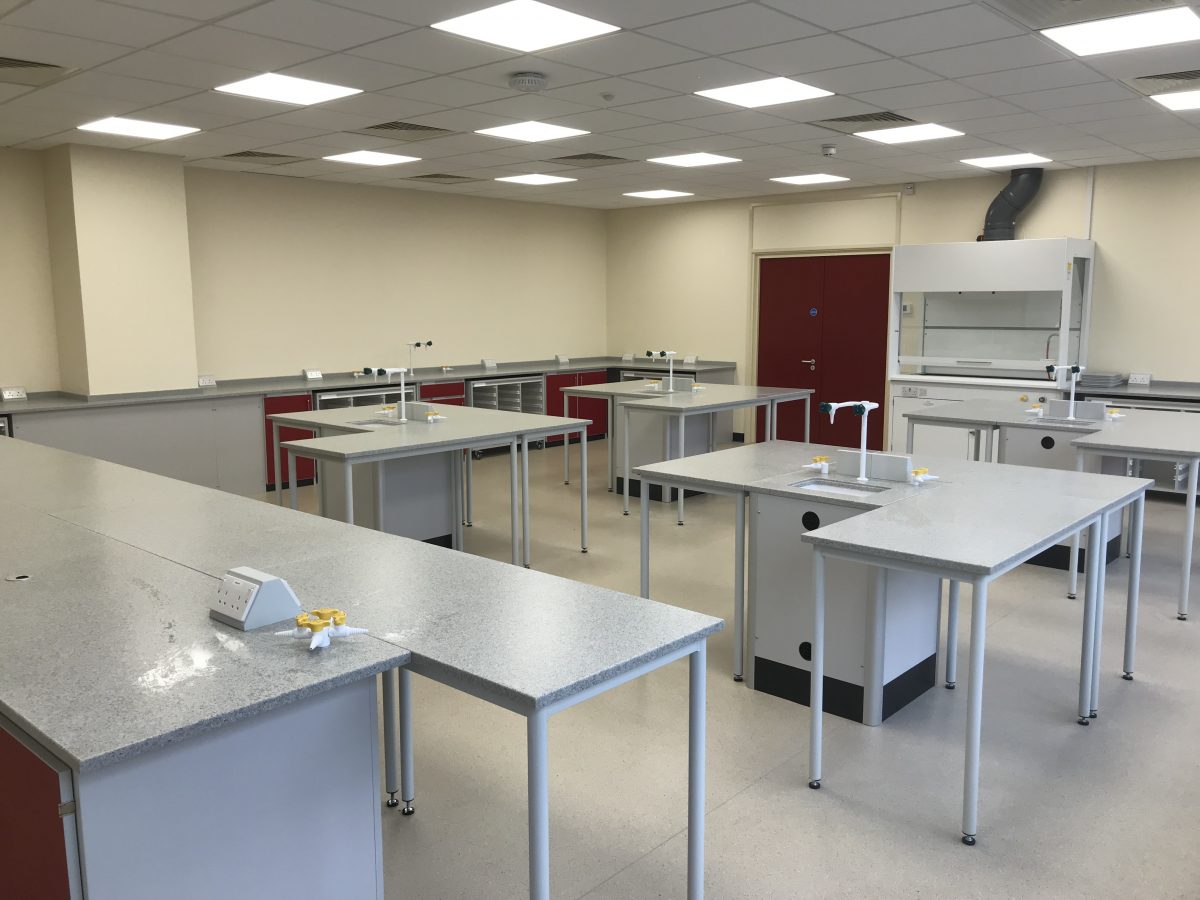
Inside a Science Laboratory: Where Questions Become Discoveries
A science laboratory is a place where curiosity is put to the test. From examining tiny organisms to developing new materials, laboratory work helps researchers investigate how the world works and find practical answers to important questions. Laboratories can be found in universities, schools, hospitals, government agencies and private companies, and each is designed to support particular kinds of research.
What happens in a laboratory?
Laboratory work often begins with a question. Researchers may form a hypothesis, design an experiment and gather evidence to find out whether their ideas are supported. They record observations, analyse results and share their findings so that others can assess or build on the work.
Not every laboratory experiment involves test tubes and chemical reactions. Scientists might use microscopes to study cells, instruments to measure air quality, computer models to examine data or specialist equipment to test the strength of a material. The tools vary, but careful observation and reliable evidence remain central to the process.
Different kinds of science laboratory
Laboratories are tailored to the work carried out in them. A biology laboratory may focus on cells, plants, animals or microorganisms. A chemistry laboratory is equipped for studying substances and the reactions between them. Physics laboratories might investigate forces, energy, light or electrical systems.
Other laboratories have more specialised purposes. Clinical laboratories analyse samples to support healthcare, while environmental laboratories test water, soil and air. Engineering and materials laboratories examine how products perform under different conditions. Many modern research projects bring together several disciplines, so teams may work across different types of laboratory.
Equipment and technology
Some familiar laboratory equipment is simple: glassware, measuring tools, balances and protective clothing. More complex facilities may contain microscopes, centrifuges, incubators, spectrometers or advanced imaging systems. Digital technology is also increasingly important. Sensors can collect measurements, software can help analyse results, and automated equipment can perform repetitive tasks with precision.
Regardless of how advanced the equipment is, it must be used correctly and maintained carefully. Researchers follow procedures, calibrate instruments and keep clear records to help ensure that measurements are dependable and experiments can be repeated.
Safety comes first
Laboratory safety protects researchers, visitors and the wider community. The precautions required depend on the work being carried out. They may include wearing a laboratory coat, gloves and eye protection, handling chemicals in a fume cupboard, or following strict procedures for biological materials and specialist equipment.
Good practice also includes keeping work areas tidy, labelling materials clearly, disposing of waste appropriately and knowing what to do in an emergency. Training is essential: everyone in a laboratory needs to understand the risks of their work and the rules designed to manage them.
Why laboratories matter
Laboratories help turn ideas into evidence and evidence into progress. Research conducted in them can contribute to new medicines, safer products, cleaner technologies and a better understanding of the natural world. Laboratory findings may also inform decisions in healthcare, education, industry and environmental protection.
Scientific progress rarely happens in isolation. Results are reviewed, compared with other research and, where possible, tested again. This process helps identify errors and strengthens confidence in discoveries. A laboratory is therefore not simply a room full of equipment; it is part of a wider system of collaboration, careful testing and shared knowledge.
A place for curiosity and care
At its best, a science laboratory combines imagination with discipline. Researchers ask new questions, but they also take care to measure accurately, work safely and explain how they reached their conclusions. Whether in a school classroom or a specialist research centre, laboratories give people the tools and space to explore ideas—and to discover what the evidence can teach us.
Five Key Benefits of Science Laboratories: Advancing Discovery, Precision, and Innovation
- Supports scientific discovery.
- Enables precise experiments.
- Provides hands-on learning.
- Helps develop new medicines and technologies.
- Encourages critical thinking.
Challenges in Science Laboratories: Costly Equipment, Hazardous Materials, Unrealistic Results, and Time-Consuming Research
- Laboratory equipment can be expensive to buy and maintain.
- Some experiments involve hazardous materials or equipment.
- Results may not reflect real-world conditions.
- Research can be time-consuming and produce waste.
Supports scientific discovery.
Science laboratories support scientific discovery by giving researchers the equipment, controlled conditions and safe space needed to test ideas and investigate questions. Through careful experiments, precise measurements and repeated observations, scientists can gather reliable evidence, develop new explanations and build on existing knowledge. These discoveries can lead to advances in healthcare, technology and our understanding of the natural world.
Enables precise experiments.
A science laboratory enables precise experiments by providing controlled conditions, accurate measuring instruments and carefully prepared materials. Researchers can adjust one factor at a time, record results systematically and repeat procedures to check their findings. This reduces the influence of outside variables and helps produce reliable evidence.
Provides hands-on learning.
A science laboratory provides hands-on learning, allowing students to explore ideas through practical experiments rather than relying on theory alone. By handling equipment, making observations and recording results, they can develop a deeper understanding of scientific concepts, strengthen problem-solving skills and learn to work safely and carefully.
Helps develop new medicines and technologies.
Science laboratories help develop new medicines and technologies by giving researchers a controlled environment in which to investigate ideas, test materials and analyse results. Through careful experiments, scientists can identify promising treatments, assess their safety and improve them before they are used more widely. Laboratory research also supports innovations such as medical devices, diagnostic tools and cleaner technologies, helping turn scientific discoveries into practical solutions.
Encourages critical thinking.
A science laboratory encourages critical thinking by giving people the chance to question ideas and test them against evidence. By planning experiments, making careful observations and analysing results, learners develop the habit of drawing conclusions based on facts rather than assumptions. When results differ from expectations, they can investigate why, refine their methods and consider alternative explanations.
Laboratory equipment can be expensive to buy and maintain.
One disadvantage of a science laboratory is the high cost of buying and maintaining its equipment. Specialist instruments can require a substantial initial investment, while regular servicing, calibration and repairs add ongoing expenses. These costs may limit the equipment available, particularly in schools and research organisations with tight budgets, and can make it harder to carry out certain experiments.
Some experiments involve hazardous materials or equipment.
Some laboratory experiments involve hazardous materials or specialist equipment, which can pose risks if they are not handled correctly. Chemicals may be toxic or corrosive, biological samples can carry infection, and equipment such as lasers or high-voltage instruments requires careful use. Strict safety procedures, suitable protective clothing and proper training help reduce these dangers, but they can add time, cost and complexity to laboratory work.
Results may not reflect real-world conditions.
Results from a science laboratory may not always reflect real-world conditions. Experiments are often carried out in controlled settings, where variables can be carefully managed, but everyday environments are more complex and unpredictable. As a result, findings may not translate directly to people, communities or natural systems outside the laboratory. Researchers can address this limitation by testing results in practical settings and comparing them with real-world data.
Research can be time-consuming and produce waste.
Research in a science laboratory can be time-consuming, as experiments may need to be repeated, results checked and equipment carefully cleaned between tests. Some investigations take weeks, months or even years to produce useful findings, and there is no guarantee that the results will support the original hypothesis. Laboratory work can also generate waste, including used chemicals, disposable equipment and biological materials. This waste must be handled and disposed of safely, which can add to costs and environmental impact.