
Volunteer Programs: Making a Difference Together
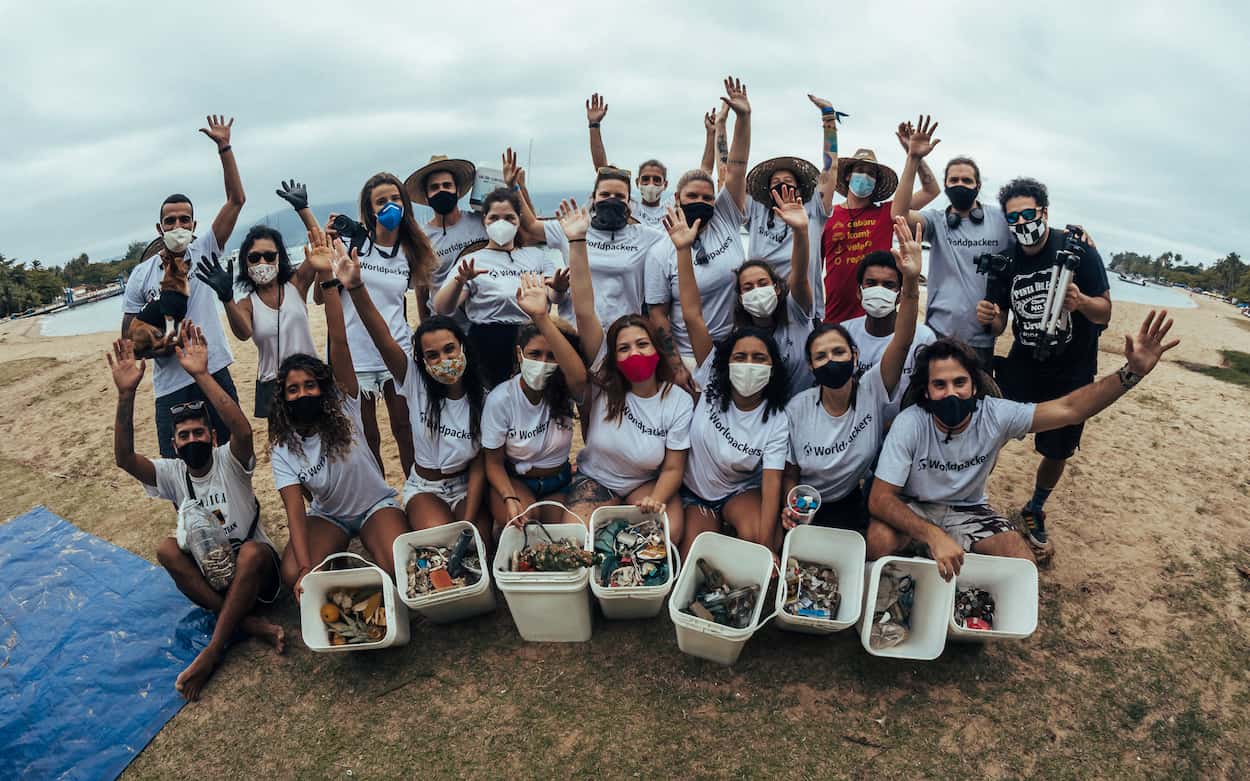
Volunteer Programmes
Volunteering is a practical way to support healthier, more sustainable environments. By sharing your time, skills and local knowledge, you can help research and ideas reach the people and communities they are intended to benefit.
Volunteer programmes can bring together people with different backgrounds and interests—from students and researchers to community organisers, designers and people who simply want to make a difference. Every contribution matters, whether it involves a few hours at an event or ongoing support for a project.
How volunteers can contribute
Depending on a project’s needs and your experience, volunteer activities may include:
- Helping to organise events, workshops or public talks
- Supporting community engagement and sharing information about research
- Assisting with surveys, interviews or other research activities, where appropriate training is provided
- Creating or reviewing communications and educational materials
- Providing specialist skills in areas such as design, translation, data, administration or digital media
A meaningful, two-way experience
Volunteering is not only a way to support a cause; it is also an opportunity to learn. Volunteers may gain experience working with research and community projects, develop new skills and meet people who share an interest in health, place and the environment. Good programmes also make space for volunteers’ perspectives, recognising that local experience can help shape more relevant and inclusive work.
Making volunteering accessible
People have different schedules, abilities and circumstances. Flexible roles, clear guidance and reasonable support can help make volunteering more accessible. A well-designed opportunity should explain what is involved, the time commitment, any skills required and who to contact with questions.
Volunteer roles should also respect the communities involved. This means protecting privacy, gaining appropriate consent and providing training when activities involve research or sensitive information.
Get involved
If you are interested in volunteering, consider what you would like to contribute and how much time you can offer. Check for current opportunities and read each role description carefully. If there is no suitable opening at present, you can still get in touch to express your interest and share the skills or experience you could bring.
With thoughtful collaboration, volunteers can help connect evidence, ideas and action—and contribute to environments that support people’s health and wellbeing.
Essential Information on Volunteer Programmes: Opportunities, Commitments, Requirements, Locations, and Application Process
- What types of volunteer opportunities are available?
- How much time do I need to commit to volunteering?
- Do I need previous experience or specific qualifications to volunteer?
- Are volunteer roles available remotely or only in person?
- How can I apply for a volunteer programme?
What types of volunteer opportunities are available?
Volunteer opportunities may include helping to organise events and workshops, supporting community engagement, assisting with surveys or other research activities (with suitable training), creating or reviewing educational materials, and contributing specialist skills such as design, translation, data analysis, administration or digital communications. Roles vary depending on current projects, so check the latest opportunities to find one that matches your interests, experience and availability.
How much time do I need to commit to volunteering?
The time commitment depends on the volunteer role and your availability. Some opportunities involve a few hours for a one-off event, while others may require regular support over several weeks or months. Each role should outline the expected hours and schedule in advance, so you can choose an opportunity that fits your circumstances.
Do I need previous experience or specific qualifications to volunteer?
No, previous experience or specific qualifications aren’t usually needed to volunteer. Requirements vary by role: some opportunities may call for particular skills or training, while others are open to anyone with an interest in getting involved. Any essential requirements will be set out in the role description, and guidance or training may be provided where needed.
Are volunteer roles available remotely or only in person?
Volunteer roles may be available both remotely and in person, depending on the programme and its activities. Some tasks, such as communications, research support or administration, can often be carried out remotely, while events and community-based activities may require volunteers to attend in person. Check the details of each opportunity to see what arrangements are available.
How can I apply for a volunteer programme?
To apply for a volunteer programme, check our website for current opportunities and choose a role that matches your interests, skills and availability. Follow the application instructions in the role description, which may ask you to complete a form or send a short introduction outlining your experience and motivation. If you have questions or cannot find a suitable opportunity, contact our team to discuss how you might get involved.