
Exploring Various Types of Quantitative Research Approaches
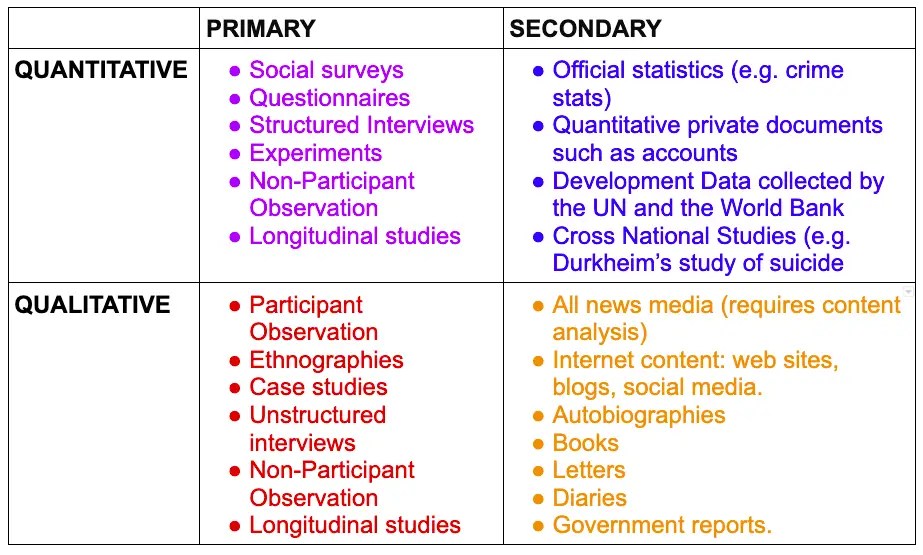
Types of Quantitative Research
Quantitative research is a method of collecting and analyzing numerical data to understand patterns, relationships, and trends. There are several types of quantitative research methods used in various fields. Here are some common types:
Descriptive Research:
Descriptive research aims to describe the characteristics of a population or phenomenon. It focuses on answering the “what,” “where,” “when,” and “how” questions. Surveys, observational studies, and case studies are examples of descriptive research.
Correlational Research:
Correlational research examines the relationship between two or more variables without manipulating them. It helps in determining if there is a statistical association between variables. Correlation coefficients such as Pearson’s r are often used in this type of research.
Experimental Research:
Experimental research involves manipulating one or more variables to observe the effect on another variable. This type of research aims to establish cause-and-effect relationships between variables. Randomized controlled trials (RCTs) are commonly used in experimental research.
Causal-Comparative Research:
Causal-comparative research compares two or more groups based on existing differences in one or more independent variables. It seeks to determine if there is a causal relationship between variables without direct manipulation. This type of research is also known as ex post facto research.
Longitudinal Research:
Longitudinal research involves studying the same group of subjects over an extended period to observe changes and trends over time. It helps in understanding development, stability, and change in variables over time. Cohort studies and panel studies are examples of longitudinal research.
Each type of quantitative research method has its strengths and limitations, and researchers choose the most appropriate method based on their research questions, objectives, and hypotheses.
Understanding Quantitative Research: Key Questions and Insights
- What is quantitative research?
- How is quantitative research different from qualitative research?
- What are the main types of quantitative research methods?
- Can you provide examples of descriptive research?
- How does correlational research help in data analysis?
- What is the purpose of experimental research?
- How does causal-comparative research differ from experimental research?
- Why is longitudinal research important in studying trends over time?
What is quantitative research?
Quantitative research is a systematic method of collecting and analysing numerical data to understand patterns, relationships, and trends within a particular study or field. It involves the use of statistical techniques to quantify and measure variables, allowing researchers to draw objective conclusions based on empirical evidence. Quantitative research aims to provide precise and reliable data that can be quantified and statistically analysed, leading to a deeper understanding of phenomena or issues under investigation. This method is commonly used in various disciplines such as social sciences, psychology, economics, and natural sciences to gather quantitative data that can be measured, compared, and generalised to make informed decisions or draw meaningful conclusions.
How is quantitative research different from qualitative research?
Quantitative research and qualitative research are two distinct approaches to research that differ in their methods, data collection, and analysis. Quantitative research focuses on collecting numerical data and using statistical analysis to draw conclusions and make generalizations about a population or phenomenon. In contrast, qualitative research involves collecting non-numerical data such as words, images, or observations to explore in-depth the meanings, experiences, and perspectives of individuals or groups. While quantitative research aims to quantify relationships and patterns, qualitative research seeks to understand the complexity and context of phenomena. Both types of research have their strengths and limitations, and researchers often choose between them based on the nature of their research questions and objectives.
What are the main types of quantitative research methods?
A commonly asked question regarding quantitative research is, “What are the main types of quantitative research methods?” In response, it is important to highlight that quantitative research encompasses various methods, including descriptive research, correlational research, experimental research, causal-comparative research, and longitudinal research. Each of these types serves a specific purpose in collecting and analysing numerical data to draw conclusions and identify patterns in a systematic and objective manner. Researchers select the most appropriate method based on their study objectives, variables of interest, and desired outcomes to ensure the validity and reliability of their findings.
Can you provide examples of descriptive research?
Descriptive research is a common type of quantitative research that aims to describe the characteristics of a population or phenomenon without manipulating variables. Examples of descriptive research include surveys, observational studies, and case studies. Surveys involve collecting data from a sample of individuals through questionnaires or interviews to understand their opinions, behaviours, or characteristics. Observational studies involve observing and recording behaviour in natural settings without interference. Case studies focus on in-depth analysis of a particular individual, group, or event to provide detailed descriptions and insights. Descriptive research plays a crucial role in providing valuable information about various aspects of a subject under study.
How does correlational research help in data analysis?
Correlational research plays a crucial role in data analysis by examining the relationships between variables without manipulating them. It helps researchers understand the extent and direction of associations between different factors, providing valuable insights into patterns and trends within the data. By using correlation coefficients such as Pearson’s r, researchers can quantify the strength and direction of relationships, allowing for a more in-depth analysis of how variables interact with each other. This type of research aids in identifying potential connections and dependencies between variables, guiding further statistical analyses and informing decision-making processes based on empirical evidence.
What is the purpose of experimental research?
Experimental research serves the purpose of establishing cause-and-effect relationships between variables by manipulating one or more factors and observing the effects on another variable. The key objective of experimental research is to determine whether changes in one variable directly lead to changes in another variable, thereby allowing researchers to draw conclusions about the impact of specific interventions or treatments. By controlling and manipulating variables in a controlled setting, experimental research provides valuable insights into causal relationships, helping researchers make informed decisions and recommendations based on empirical evidence.
How does causal-comparative research differ from experimental research?
Causal-comparative research differs from experimental research in its approach to studying relationships between variables. In causal-comparative research, researchers compare existing groups based on naturally occurring differences in independent variables without manipulating them. The aim is to identify causal relationships between variables without direct intervention. On the other hand, experimental research involves manipulating one or more variables to observe the effects on another variable and establish cause-and-effect relationships. Experimental research typically uses controlled conditions, random assignment, and manipulation of variables to determine the impact of interventions or treatments. Both types of research have distinct methodologies suited for different research questions and objectives.
Why is longitudinal research important in studying trends over time?
Longitudinal research is crucial in studying trends over time because it allows researchers to track and observe changes, developments, and patterns within a specific group or population over an extended period. By collecting data at multiple points in time, longitudinal studies provide valuable insights into the long-term effects of variables and behaviours, offering a deeper understanding of how and why trends evolve over time. This type of research helps researchers identify causal relationships, assess stability or change in variables, and make informed predictions about future trends. Longitudinal research is particularly useful in fields such as psychology, sociology, public health, and education where studying long-term effects and trajectories is essential for informing policies and interventions.