
Unveiling the Intriguing History of Education
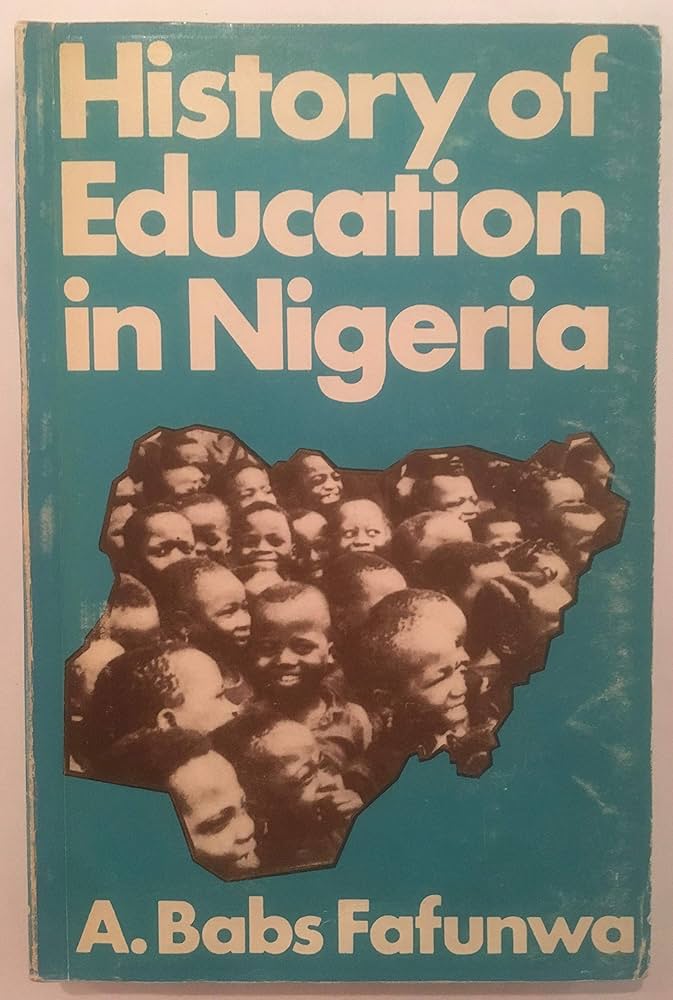
The Evolution of Education: A Journey Through History
Education, as we know it today, has a rich and diverse history that spans centuries. From ancient civilizations to modern societies, the concept of education has evolved significantly, reflecting the changing needs and values of different cultures and eras.
Ancient Roots
The origins of formal education can be traced back to ancient civilizations such as Mesopotamia, Egypt, Greece, and Rome. In these early societies, education was often reserved for the elite classes and focused on subjects like mathematics, philosophy, and rhetoric.
The Middle Ages
During the Middle Ages in Europe, education was largely provided by religious institutions such as monasteries and cathedral schools. The curriculum at that time emphasised theology, Latin language, and classical texts.
The Renaissance and Enlightenment
The Renaissance period saw a revival of interest in classical learning and the arts. This era marked a shift towards humanism and a broader focus on subjects like literature, science, and history. The Enlightenment further promoted the idea of education for all individuals as a means to promote reason, progress, and social change.
Modern Education Systems
In the 19th century, the industrial revolution brought about significant changes in education. Compulsory schooling laws were introduced in many countries to ensure that all children received a basic education. The 20th century saw further developments in educational theory and practice with an emphasis on child-centred learning approaches.
Contemporary Trends
Today, education continues to evolve in response to technological advancements, globalisation, and changing societal needs. Concepts like online learning, personalised instruction, and lifelong learning are reshaping traditional educational models.
Conclusion
The history of education is a testament to human innovation and progress. As we look towards the future, it is essential to reflect on our past achievements and challenges to create inclusive and effective educational systems that empower individuals to thrive in an ever-changing world.
Unveiling the Past: Seven Benefits of Understanding the History of Education
- Education provides a foundation for critical thinking and problem-solving skills.
- Studying history of education helps us understand the evolution of societal values and beliefs.
- Learning about past educational practices can inspire innovative approaches to teaching and learning.
- History of education highlights the importance of access to knowledge and information for societal progress.
- Exploring educational history fosters a sense of cultural appreciation and diversity.
- Understanding the development of education systems can inform policy decisions for improving current practices.
- Knowledge of educational history encourages reflection on past successes and failures to shape future advancements.
Historical Challenges in Education: Inequality, Indoctrination, and Inflexibility
- Historically, education was often limited to privileged classes, leading to social inequality and exclusion.
- Traditional educational systems focused heavily on rote memorisation rather than critical thinking and creativity.
- Certain periods in history saw education being used as a tool for indoctrination or political manipulation.
- Gender and racial biases have influenced the content and accessibility of education throughout history, perpetuating discrimination.
- The rigidity of past educational models may have hindered innovation and adaptability to changing societal needs.
Education provides a foundation for critical thinking and problem-solving skills.
Education plays a crucial role in cultivating critical thinking and problem-solving skills, providing individuals with a strong foundation to navigate complex challenges and make informed decisions. By encouraging students to analyse information, think critically, and approach problems from different perspectives, education equips them with the tools necessary to adapt to changing circumstances and find innovative solutions. These skills not only benefit individuals in their academic pursuits but also prepare them for success in their professional careers and everyday life.
Studying history of education helps us understand the evolution of societal values and beliefs.
Studying the history of education provides valuable insights into the evolution of societal values and beliefs over time. By examining how educational systems have developed and changed, we can gain a deeper understanding of the cultural, political, and social factors that have influenced the shaping of these systems. This knowledge allows us to appreciate how education has been used as a tool for transmitting and perpetuating certain values and ideologies within society, shedding light on the interconnected relationship between education and broader societal norms.
Learning about past educational practices can inspire innovative approaches to teaching and learning.
Studying the history of education offers valuable insights into past educational practices, allowing educators to draw inspiration for innovative approaches to teaching and learning. By understanding how education has evolved over time and the factors that have influenced pedagogical methods, teachers can adapt and refine their own practices to better meet the needs of today’s learners. Learning from the successes and failures of historical educational models can spark creativity and encourage educators to explore new strategies that enhance student engagement, critical thinking, and overall academic success.
History of education highlights the importance of access to knowledge and information for societal progress.
The history of education underscores the significance of access to knowledge and information as a fundamental driver of societal progress. Through various historical periods, the expansion of educational opportunities has been closely linked to advancements in technology, culture, and governance. By enabling individuals to acquire new skills, critical thinking abilities, and a broader understanding of the world, education has empowered societies to innovate, adapt, and evolve. The recognition of education as a catalyst for social development emphasises the need for inclusive and equitable educational systems that can unlock the potential of individuals and contribute to the overall advancement of communities and nations.
Exploring educational history fosters a sense of cultural appreciation and diversity.
Exploring the history of education nurtures a profound sense of cultural appreciation and diversity. By delving into how different societies across time have approached teaching and learning, individuals gain a deeper understanding of the values, beliefs, and customs that have shaped educational practices worldwide. This exploration not only highlights the richness and variety of human experiences but also promotes empathy and respect for diverse cultures, fostering a more inclusive and interconnected global community.
Understanding the development of education systems can inform policy decisions for improving current practices.
Understanding the development of education systems provides valuable insights that can inform policy decisions aimed at enhancing current practices. By studying the historical evolution of education, policymakers can identify successful strategies, learn from past mistakes, and adapt approaches that have proven effective in different contexts. This knowledge allows for the implementation of evidence-based policies that are more likely to address the challenges faced by contemporary education systems and lead to meaningful improvements in teaching and learning outcomes.
Knowledge of educational history encourages reflection on past successes and failures to shape future advancements.
Understanding the history of education allows us to reflect on past successes and failures, providing valuable insights into what has worked well and what has not. By analysing historical trends and developments in education, we can learn from the achievements of the past and avoid repeating mistakes. This reflection enables us to shape future advancements in education by building upon proven strategies and innovating where necessary to create more effective and inclusive learning environments for generations to come.
Historically, education was often limited to privileged classes, leading to social inequality and exclusion.
Throughout history, one significant con of the education system was its exclusivity, primarily catering to the privileged classes. This limitation resulted in widespread social inequality and exclusion, where only a select few had access to formal education. The disparity in educational opportunities perpetuated existing social hierarchies and hindered the upward mobility of individuals from less privileged backgrounds. As a consequence, generations were deprived of the chance to acquire knowledge and skills that could have empowered them to lead more fulfilling lives and contribute meaningfully to society. Addressing this historical con remains crucial in striving towards a more equitable and inclusive education system that benefits all members of society.
Traditional educational systems focused heavily on rote memorisation rather than critical thinking and creativity.
Traditional educational systems have long been criticised for their overemphasis on rote memorisation at the expense of fostering critical thinking and creativity among students. The practice of memorising facts and information without truly understanding their context or implications can limit intellectual growth and hinder the development of problem-solving skills. By prioritising regurgitation of information over independent thinking and creative expression, traditional education systems may stifle innovation and individuality, ultimately failing to prepare students for the complexities of the modern world.
Certain periods in history saw education being used as a tool for indoctrination or political manipulation.
Throughout certain periods in history, education has been exploited as a tool for indoctrination and political manipulation. In these instances, educational institutions were used to propagate specific ideologies, control the narrative, and suppress dissenting views. This misuse of education not only hindered critical thinking and intellectual freedom but also perpetuated social inequalities and injustices. By weaponising education for political agendas, societies risked stifling creativity, diversity of thought, and the pursuit of knowledge for the betterment of all individuals. Such practices highlight the dark side of the history of education, underscoring the importance of safeguarding educational systems from undue influence and ensuring that learning remains a beacon of enlightenment rather than a tool of oppression.
Gender and racial biases have influenced the content and accessibility of education throughout history, perpetuating discrimination.
Gender and racial biases have undeniably played a significant role in shaping the content and accessibility of education across different historical periods. These biases have resulted in systemic discrimination that has disadvantaged certain groups based on their gender or race, limiting their opportunities for learning and advancement. Throughout history, educational curricula have often reflected and reinforced societal stereotypes and prejudices, perpetuating inequalities and hindering the progress of marginalised individuals. Addressing these deep-rooted biases is crucial to creating a more inclusive and equitable educational system that empowers all individuals to reach their full potential regardless of gender or race.
The rigidity of past educational models may have hindered innovation and adaptability to changing societal needs.
The historical rigidity of past educational models has posed a significant con in the evolution of education. These rigid structures, rooted in traditional practices and beliefs, have often hindered innovation and adaptability to the changing needs of society. By adhering strictly to established methods and curriculum, educational institutions may have missed opportunities to explore new teaching approaches, incorporate emerging technologies, and address the diverse learning styles of students. This lack of flexibility has limited the ability of education systems to evolve effectively in response to societal shifts, potentially impeding progress and relevance in preparing individuals for the demands of a dynamic world.